
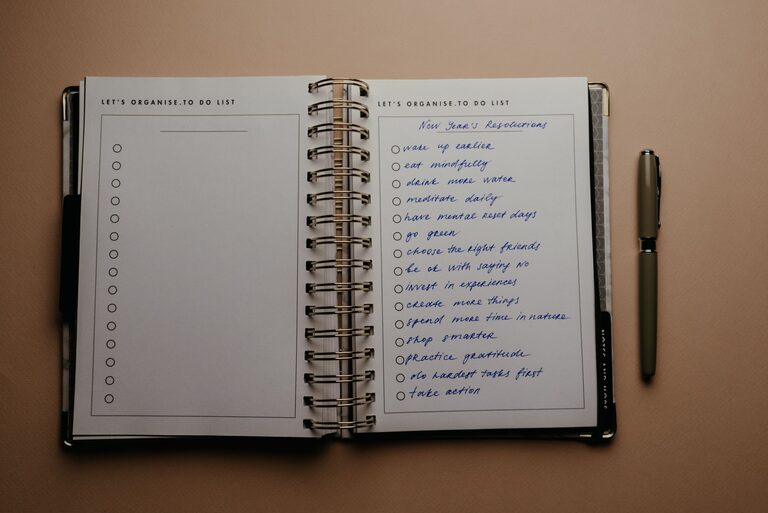
Building a habit is less about making a dramatic change and more about repeating a small action until it becomes part of your routine. Habit tracking can help you see your progress, understand what works, and stay focused when motivation changes.
A habit tracker does not need to be complicated. A calendar, notebook, spreadsheet, or mobile app can all work. The most important part is choosing a system that is easy to use and gives you helpful information.
Start With One Clear Habit
Many people begin by choosing too many habits at once. This can make a routine feel difficult before it has a chance to become established. Instead, start with one habit or a small group of related habits.
A clear habit should describe a specific action. For example:
– Read for 10 minutes after dinner
– Take a short walk after lunch
– Write three sentences each morning
– Prepare tomorrow’s tasks before ending the workday
– Practice a skill for 15 minutes
“Be healthier” or “be more organized” may be useful goals, but they are not specific habits. Turn broad goals into actions that you can complete and track.
Make the Habit Small Enough to Repeat
A habit should be challenging enough to matter but manageable enough to repeat on a busy day. If your first version is too demanding, reduce it.
For example, instead of planning to exercise for an hour every day, begin with five minutes of movement. Once the routine feels natural, you can increase the time. Starting small helps you build consistency before adding more effort.
Choose a Reliable Habit Tracker
The best tracking method is the one you will actually use. Consider how often you check your phone, write notes, or review your schedule.
Common options include:
– Paper calendar: Mark each completed day with a check mark or color.
– Notebook: Record the habit, date, and a brief note about how it went.
– Spreadsheet: Track several habits and review patterns over time.
– Mobile app: Use reminders, streaks, and progress charts.
– Task list: Add the habit to a daily or weekly checklist.
Keep the tracker visible and easy to update. A system that requires several steps may become another task to avoid. If you use a paper tracker, place it near your desk or another location you visit often. If you use an app, choose one with a simple interface.
Connect the Habit to an Existing Routine
A new habit is easier to remember when it follows something you already do. This approach is sometimes called habit stacking. The existing routine acts as a reminder for the new action.
Examples include:
– After brushing your teeth, spend two minutes stretching.
– After making coffee, review your top priority.
– After lunch, take a short walk.
– After turning off your computer, prepare your workspace for tomorrow.
– Before getting into bed, write down one completed task.
Use the phrase, “After I do this, I will do that.” Choose an existing routine that happens regularly and attach the new habit to it.
Track Completion, Not Perfection
A tracker should provide useful feedback, not create pressure. Record whether you completed the habit as planned. You can also use simple categories such as:
– Complete
– Partly complete
– Skipped
– Not scheduled
This gives you more information than a single perfect-or-failed result. For example, if your goal is to read for 20 minutes but you read for five, you may want to record that as partial progress rather than treating the entire effort as meaningless.
Tracking is meant to help you notice patterns. It is not a test of personal value or discipline.
Use Flexible Goals
Some habits work better with weekly targets than daily targets. For example, you might aim to:
– Exercise three times per week
– Practice a language four times per week
– Plan meals twice per week
– Complete one home project each weekend
Flexible goals allow for changes in your schedule while still giving you a clear direction. They can be especially useful for habits that do not need to happen every day.
Create Helpful Reminders
At the beginning, reminders can help you remember the habit until it becomes more automatic. Use calendar alerts, phone notifications, sticky notes, or visual cues.
A reminder should tell you what to do and when to do it. “Study” may be less useful than “Review vocabulary for 10 minutes at 7 p.m.” Make reminders specific and place them close to the time or location of the habit.
You can also prepare your environment in advance:
– Put walking shoes near the door.
– Keep a book on your pillow.
– Place a water bottle on your desk.
– Set out materials for a creative activity.
– Remove distractions from your workspace.
Small changes to your surroundings can reduce the effort required to begin.
Review Your Progress Regularly
Tracking becomes more useful when you review it. Set aside a few minutes once a week to look at your records.
Ask yourself:
- How often did I complete the habit?
- What time or situation made it easier?
- What caused me to skip it?
- Was the habit too large or unclear?
- What adjustment would make next week easier?
Look for patterns rather than judging individual days. You may find that you complete the habit more often in the morning, after preparing the night before, or when you reduce the required time.
Use the answers to improve the system. If you often skip a habit because it takes too long, shorten it. If you forget it, add a better reminder. If the timing is inconvenient, connect it to another part of your day.
Plan for Missed Days
Missing a day does not erase your progress. The goal is to return to the habit as soon as practical. A simple rule is to avoid letting one missed day become a long break.
When you miss a habit:
– Note the reason without harsh judgment.
– Decide when you will try again.
– Make the next version slightly easier if needed.
– Avoid trying to “make up” for the missed day with an unrealistic effort.
– Focus on the next action rather than the lost streak.
A missed day can provide useful information. It may show that your schedule is too full, your reminder is poorly placed, or the habit needs to be redesigned.
Reward the Process
Rewards can make a routine more satisfying, especially when the benefits of the habit take time to appear. The reward does not need to be expensive or elaborate.
You might:
– Enjoy a favorite drink after completing a task.
– Listen to music during a routine activity.
– Mark progress on a visible chart.
– Spend a few minutes on a relaxing activity.
– Share a milestone with a friend.
It can also help to notice the immediate benefit of the habit. A short walk may provide a break from work. Planning tomorrow may create a calmer evening. Recognizing these benefits helps connect the action with a positive experience.
Keep Improving the System
Consistency is easier when your habit fits your real life. Review your tracker every few weeks and make changes as your schedule, priorities, or energy levels change.
A useful habit-tracking system should be:
– Simple enough to maintain
– Specific enough to measure
– Flexible enough for normal disruptions
– Visible enough to remember
– Helpful enough to guide improvements
The purpose of tracking is not to create a perfect record. It is to make progress easier to see and routines easier to manage. Start with one small action, record it in a simple way, and adjust based on what you learn. Over time, steady repetition can turn that action into a reliable part of your day.