
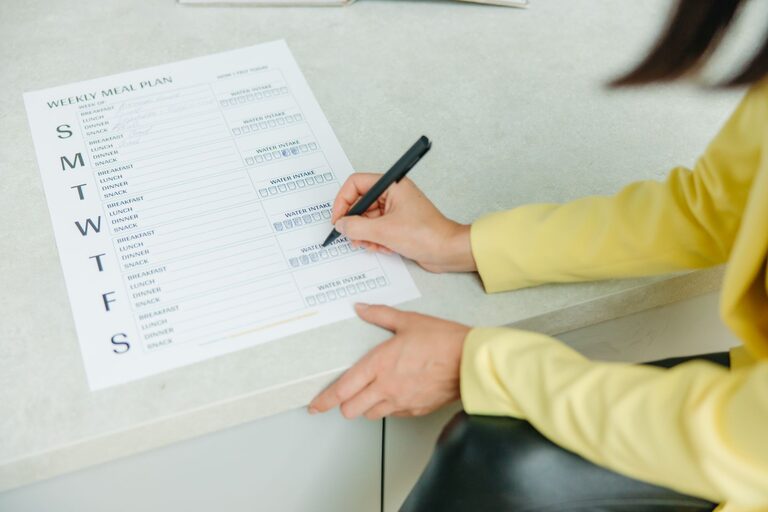
Planning meals for the week can make everyday cooking easier and more organized. Instead of deciding what to make at the last minute, you can choose a few simple meals, create a focused grocery list, and prepare ingredients ahead of time.
A weekly meal plan does not need to be strict or complicated. The goal is to create a flexible guide that fits your schedule, budget, cooking skills, and personal preferences. With a few basic steps, you can build a plan that helps you spend less time thinking about food and more time enjoying it.
Start With Your Schedule
Before choosing recipes, look at the week ahead. Your schedule should guide your meal plan.
Check for:
– Work or school commitments
– Evening activities
– Appointments
– Days when you will eat away from home
– Days when you have more time to cook
– Leftovers or ingredients already in your kitchen
For example, you might plan a quick pasta dish on a busy Tuesday and a slower roasted meal on Saturday. If you know you will be out for dinner one evening, there is no need to plan a full meal for that night.
A simple weekly schedule might include:
– Two quick meals
– Two meals that create leftovers
– One meal using pantry staples
– One flexible meal
– One night for leftovers or dining out
This approach gives you structure without filling every day with complicated cooking tasks.
Choose a Simple Planning Method
There is no single correct way to plan meals. Choose a method that feels easy to repeat.
Plan Every Meal
This method includes breakfast, lunch, dinner, and snacks for each day. It works well if you like detailed schedules or need to organize meals for several people.
Plan Only Dinners
Planning dinners is often the easiest place to start. Breakfast and lunch can use a short list of repeat options, such as oatmeal, sandwiches, salads, leftovers, or yogurt with fruit.
Use a Weekly Theme
Weekly themes can make decisions faster. For example:
– Monday: Pasta
– Tuesday: Tacos
– Wednesday: Soup or stew
– Thursday: Rice bowls
– Friday: Homemade pizza
– Saturday: Sheet pan meal
– Sunday: Roast or slow cooker meal
Themes do not need to be followed perfectly. They are simply helpful reminders when you are choosing recipes.
Build Meals Around Basic Categories
A balanced meal plan is easier to create when each meal includes a few familiar components. You can mix and match foods from these categories:
– A main ingredient, such as beans, eggs, chicken, fish, tofu, or another favorite protein
– A vegetable or fruit
– A grain, potato, pasta, bread, or other filling side
– A sauce, seasoning, or topping for extra flavor
For instance, rice, roasted vegetables, and beans can become a bowl. The same ingredients can be used in tacos, wraps, or a simple skillet meal later in the week.
This flexible approach helps you avoid buying a different ingredient for every recipe. It also makes it easier to use what you already have.
Check Your Kitchen First
Take a quick look through your refrigerator, freezer, and pantry before making a grocery list. This step can help reduce waste and prevent duplicate purchases.
Make a note of:
– Vegetables and fruit that need to be used soon
– Frozen foods
– Grains, pasta, and canned goods
– Sauces, spices, and cooking basics
– Leftovers from the previous week
Use these items as the starting point for your plan. If you have rice, canned beans, and vegetables, you may already have the foundation for several meals.
It can also help to organize foods by how soon they should be used. Plan delicate produce earlier in the week and save longer-lasting or frozen ingredients for later.
Choose Recipes That Share Ingredients
When selecting recipes, look for ingredients that can be used in more than one meal. This keeps your grocery list shorter and makes preparation easier.
For example:
– Roast extra vegetables for dinner and use them in lunches
– Cook a larger batch of rice for bowls, stir-fries, or side dishes
– Use one group of fresh herbs in several recipes
– Buy a large container of greens for salads, sandwiches, and cooked dishes
– Prepare a basic sauce that works with vegetables, grains, or proteins
Try not to choose seven completely different recipes that require many special ingredients. A few simple recipes with overlapping ingredients are usually easier to manage.
Create a Focused Grocery List
Once your meals are chosen, write down the ingredients you need. Group items by store section to make shopping faster.
Useful categories include:
– Produce
– Meat and seafood
– Dairy and eggs
– Grains and bread
– Canned and packaged foods
– Frozen foods
– Snacks
– Household items
Check your kitchen again as you write the list. Cross off anything you already have, and include the amount needed for each meal.
A focused list can also help control impulse purchases. However, leave some room for flexibility if you find a seasonal ingredient or a good substitute.
Keep Preparation Simple
You do not need to spend an entire day cooking to prepare for the week. Even 30 to 60 minutes can make a difference.
Consider doing a few basic tasks:
– Wash and cut vegetables
– Cook a batch of rice, pasta, or grains
– Boil eggs
– Prepare a simple dressing or sauce
– Portion snacks
– Move frozen ingredients to the refrigerator to thaw safely
– Store frequently used ingredients where they are easy to find
You can also prepare ingredients rather than complete meals. Chopped vegetables, cooked grains, and ready-to-use sauces can be combined in different ways throughout the week.
Store prepared foods in clean, covered containers and label them when helpful. Keep your refrigerator organized so you can quickly see what is available.
Plan for Leftovers
Leftovers can save time, but they work best when you plan how to use them. Instead of making the same meal repeatedly, use leftovers as ingredients in a new dish.
For example:
– Leftover roasted chicken can become a sandwich, salad, or soup
– Cooked vegetables can be added to eggs, pasta, or a grain bowl
– Extra pasta can be served with a new sauce
– Beans can be used in tacos, wraps, or a simple salad
When cooking, consider making enough for one additional meal rather than preparing a large amount that may go uneaten. If you know you will not use leftovers soon, freeze them in suitable containers.
Add One Flexible Meal
A flexible meal gives you room to adjust when plans change. This meal can use ingredients already available and does not require a detailed recipe.
Good options include:
– Soup
– Stir-fry
– Omelets
– Grain bowls
– Tacos
– Sandwiches
– Pasta with vegetables
– Baked potatoes with toppings
A flexible meal is also useful at the end of the week, when you may have small amounts of several ingredients to use.
Review and Improve Your Plan
At the end of the week, take a few minutes to review what worked. Ask yourself:
– Which meals were easy to prepare?
– Did you buy too much of anything?
– Were the portions suitable?
– Which ingredients remained unused?
– Did the plan match your schedule?
– Which meals would you make again?
Use your answers to improve the next week’s plan. Meal planning becomes easier when you repeat favorite recipes, adjust portion sizes, and keep a list of reliable meals.
The best weekly meal plan is one you can use consistently. Start with a few dinners, keep recipes simple, and allow room for changes. Over time, meal planning can become a practical routine that saves time, reduces waste, and makes cooking feel more manageable.