
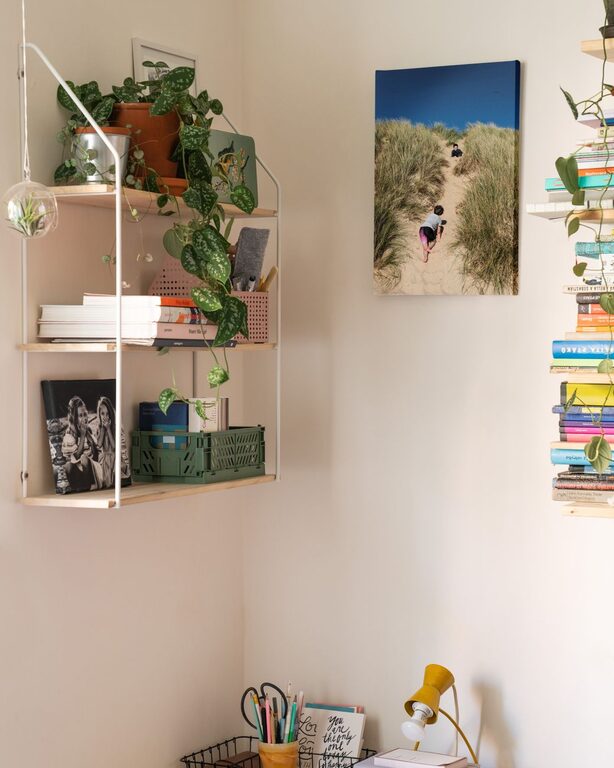
Whether you work from home, study, or simply need a dedicated place for projects, your workspace can influence how comfortable and focused you feel. Personalizing it does not require expensive furniture or a complete redesign. A few thoughtful changes can make your desk feel more welcoming while helping you stay organized.
The best workspace updates balance style and function. Start with what you use every day, then add details that make the area feel like your own.
Start With a Clean Foundation
Before adding decorations or accessories, clear away items you no longer need. A tidy workspace makes it easier to see what you have and decide what should stay.
Remove old papers, unused supplies, empty containers, and items that do not belong on your desk. Then wipe down the surface and clean frequently used items, such as your keyboard, mouse, and monitor.
A clean foundation also helps you understand how much space is available. You may discover that a small rearrangement creates enough room for a notebook, plant, lamp, or other personal item.
Keep Only the Essentials Nearby
Place the items you use most often within easy reach. This might include:
- A notebook and pen
- Headphones
- A water bottle
- Charging cables
- Daily reference materials
Store less frequently used supplies in a drawer, cabinet, or nearby container. Keeping your main work area simple makes personalization feel intentional rather than crowded.
Choose a Color Palette
Color is one of the easiest ways to give a workspace a distinct personality. You do not need to repaint the room or replace all your furniture. Start with two or three colors that work well together.
For a calm look, consider soft neutrals, pale blue, or gentle green. If you prefer an energetic setting, try adding warmer shades through artwork, accessories, or desk organizers. Darker colors can create a polished appearance when used in small amounts.
Use your chosen palette across a few details, such as:
- A desk mat
- Storage boxes
- Notebooks
- Wall art
- A desk lamp
Repeating colors helps the space look coordinated without making every item match perfectly.
Add Personal Items With Meaning
Personal items can make a workspace feel comfortable and familiar. Choose a few objects that reflect your interests, memories, or goals.
You might display a framed photo, a small souvenir, a favorite quote, or a handmade item. If you enjoy reading, keep one or two favorite books nearby. If you like creative projects, show a small piece of your work.
The key is to select items that make you feel positive without taking over the work area. A few meaningful objects usually have more impact than a large collection of decorations.
Create a Small Display Area
If your desk is limited in size, use a nearby wall, shelf, or bulletin board. A small display area can hold postcards, sketches, printed photos, or notes.
Try changing the display from time to time. Rotating items keeps the space fresh and gives you a simple way to mark different seasons, projects, or interests.
Bring in Some Greenery
Plants can add color and texture to a workspace. Choose an option that matches the amount of light and care you can provide.
If you have a sunny desk, a small houseplant may work well. For areas with limited natural light, consider a low-light plant or a realistic artificial plant. A small vase of fresh or dried flowers can also add visual interest.
Place greenery where it will not interfere with your work. A corner of the desk, a shelf, or a nearby stand may be better than the center of your workspace. Use a simple pot that complements your color palette.
Improve Lighting
Good lighting can make a workspace more comfortable and attractive. Natural light is helpful when available, but a desk lamp can provide consistent illumination throughout the day.
Choose a lamp based on the size of your desk and the type of light you prefer. A flexible neck makes it easier to direct light where you need it. Lamps with a simple shape can blend into the room, while colorful or sculptural designs can act as decorative features.
Avoid placing a bright light directly in your eyes or where it creates glare on a screen. Adjust the lamp’s position until your work surface is clear and comfortable to use.
Use Accessories That Reflect Your Style
Everyday accessories are a practical way to personalize your workspace. Since you already use them regularly, they can add character without taking up space unnecessarily.
Consider choosing a keyboard, mouse, desk mat, pen cup, or notebook in a style you enjoy. You might prefer natural materials, clean modern shapes, bold colors, or playful patterns.
When selecting accessories, think about both appearance and durability. Items that are attractive but difficult to use may become frustrating over time. Look for pieces that fit your routine and are easy to clean or replace.
Make Cables Less Noticeable
Cables can quickly make a workspace look untidy. Use clips, ties, or a cable box to keep them grouped together. Labeling cords can also make it easier to identify the correct charger or connection.
Route cables along the back or underside of the desk when possible. This small change can make the area look more finished while keeping your work surface clear.
Organize Supplies in a Way That Works for You
Organization does not have to look the same for everyone. Some people prefer open shelves and visible supplies, while others work better with drawers and closed containers.
Choose storage based on how often you use each item. Keep daily supplies easy to reach and place occasional items farther away. Small trays can hold loose objects, while boxes or bins can group similar supplies together.
You can personalize storage with labels, colors, or decorative containers. Reusing sturdy boxes or jars is another simple option. Just make sure every container has a clear purpose so it supports your routine rather than creating more clutter.
Make the Chair and Desk More Comfortable
Personalization should include comfort, not just appearance. A supportive chair and a desk arranged at a practical height can make it easier to spend time in the space.
Add a cushion or small lumbar pillow if it improves your comfort. A footrest may also help you find a more relaxed sitting position. If your desk feels too plain, add a fabric desk mat or a small runner that suits the room.
Keep the surface arranged so frequently used items are close but not in the way. A comfortable setup should allow you to work, write, and move naturally.
Refresh the Space Regularly
Your workspace does not have to remain unchanged. As your needs and interests shift, update the area to match them.
Set aside a few minutes every month to:
- Remove items you no longer use
- Rearrange accessories
- Refresh your display area
- Check your lighting
- Organize cables and supplies
Small changes can keep the space useful and enjoyable without requiring a major project.
Create a Workspace That Feels Like Yours
Personalizing a workspace is about making practical choices that also reflect your personality. Start with a clean surface, choose a simple color palette, and add a few meaningful details. Plants, lighting, artwork, organized supplies, and comfortable accessories can all make a difference.
The goal is not to create a perfect display. It is to build a space where you feel comfortable, prepared, and ready to focus. Even one small update can make your workspace feel more welcoming and better suited to your everyday routine.