
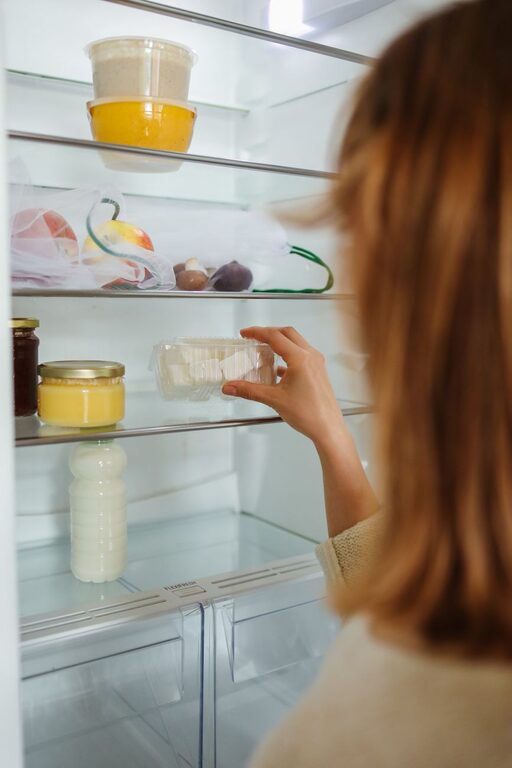
A tidy fridge and pantry can make everyday cooking easier, reduce food waste, and help you find what you need quickly. The key is not to organize everything once and forget about it. Instead, create simple systems that are easy to maintain.
With a few practical habits, you can keep shelves clear, group similar items together, and make the most of the space you have.
Start With a Fresh Reset
Before creating a new system, remove everything from your fridge and pantry. Working one shelf or section at a time can make the task feel more manageable.
As you empty each area, check every item for:
– Expired dates
– Damaged packaging
– Leaking containers
– Unpleasant smells
– Ingredients you no longer plan to use
Set aside items that should be discarded and place the rest on a clean counter or table. This gives you a clear view of what you own and helps prevent forgotten products from getting buried in the back.
Wipe shelves, drawers, and cabinet surfaces with a suitable household cleaner. Allow surfaces to dry before putting items back.
Group Similar Items Together
Grouping items by type is one of the easiest ways to make your fridge and pantry more useful. When similar products have a designated home, you can find them faster and notice when supplies are running low.
Useful pantry groups may include:
– Grains and pasta
– Baking ingredients
– Canned goods
– Breakfast foods
– Snacks
– Spices and seasonings
– Sauces and condiments
– Tea, coffee, and drink mixes
In the fridge, consider grouping:
– Dairy products
– Fresh produce
– Prepared foods
– Breakfast items
– Sauces and spreads
– Drinks
Keep categories flexible. The best arrangement is the one that matches how you cook and shop.
Make the Most of Fridge Space
Fridge shelves can quickly become crowded, especially when containers come in different shapes and sizes. A few simple tools can help create order.
Use clear bins to keep small items together. For example, one bin can hold yogurts, another can hold snack items, and a third can store jars or packets. Clear containers allow you to see the contents without removing everything.
Turntables are helpful for bottles and jars. Instead of reaching behind several items, you can rotate the tray and access what you need.
Adjustable shelves can also improve the use of vertical space. Place taller bottles or containers on one shelf and shorter items on another. Avoid stacking items so high that they become unstable or difficult to reach.
Keep frequently used products at eye level. Items used less often can go toward the back or on lower shelves.
Use Containers Wisely
Storage containers can make a fridge or pantry look neat, but too many containers can create extra work. Choose a small collection of sizes that stack well and are easy to clean.
For leftovers, use matching containers when possible. They take up less space than a mix of bowls and mismatched lids. Transparent containers are especially useful because they make food easy to identify.
Label containers with the name of the food and the date it was stored. This is helpful when several meals look similar or when you plan to use food later in the week.
For pantry staples, airtight containers can keep dry goods organized and protect them from moisture. They also make it easier to see how much of an ingredient remains.
Organize the Pantry by Frequency
A pantry works best when everyday items are easy to reach. Place products you use often between waist and eye level. Less frequently used items can go on higher shelves or in less accessible corners.
Try arranging shelves in zones:
Everyday Cooking Zone
Keep pasta, rice, canned vegetables, sauces, oils, and common seasonings together. This makes meal preparation faster because the basic ingredients are in one area.
Baking Zone
Store flour, sugar, baking powder, chocolate chips, and decorating supplies together. A basket or bin can keep small packets from spreading across the shelf.
Breakfast Zone
Group cereal, oatmeal, coffee, tea, and breakfast spreads in one location. If several family members use these items, place them where everyone can reach them.
Snack Zone
Use a basket for individually packaged snacks, granola bars, crackers, or other small items. A defined space helps prevent snacks from taking over the entire pantry.
Follow the First In, First Out Rule
When you buy a new package of an item you already have, move the older one to the front and place the newer one behind it. This simple habit helps you use older products first.
You can apply this system to canned goods, boxed foods, sauces, dairy products, and other items with clear dates. When unpacking groceries, take a moment to rotate existing items instead of placing new purchases in front.
For products stored in containers, write the purchase date or opening date on a label. This makes it easier to keep track of what should be used soon.
Create a Use Soon Area
Designate one small section of the fridge for foods that need attention. This could include opened packages, leftovers, soft produce, or ingredients bought for a specific recipe.
A clear bin labeled “Use Soon” can make this system easy to follow. Check it before planning meals or writing a grocery list.
You can also keep a short note on the fridge door listing items that should be used soon. This reduces the chance of forgetting food hidden behind larger containers.
Keep Produce Visible and Accessible
Fresh produce is easier to use when it is visible. Avoid overfilling drawers, since crowded produce can be forgotten and become difficult to sort.
Store fruits and vegetables in separate areas when practical, and use drawer dividers or small bins to separate loose items. Keep frequently used produce near the front of the fridge or in a bowl on the counter if appropriate for that item.
When you bring home new produce, take a moment to remove unnecessary packaging and arrange items so that everything is easy to see.
Maintain a Simple Cleaning Routine
Small, regular tasks are easier than large cleaning sessions. Once a week, check the fridge for spills, old leftovers, and items that need to be moved forward.
Wipe visible spills as soon as they happen. A quick cleanup prevents sticky residue from spreading and makes future cleaning easier.
For the pantry, dust shelves and check corners every few weeks. Look for torn packages, crumbs, or items that have been pushed out of sight.
Choose one day each month for a more complete review. Remove items from one section, clean the surface, and return only what belongs there.
Shop With Your Storage System in Mind
A tidy kitchen begins before groceries arrive. Check your fridge and pantry before shopping so you do not buy duplicates or items you already have in abundance.
Keep a running grocery list in a consistent location. Add items when supplies are getting low, rather than waiting until they are completely gone.
Avoid buying more than your storage space can handle. A smaller, well-organized supply is usually more useful than an overcrowded pantry filled with items that are difficult to find.
Build Habits That Last
The most effective organization system is one that takes little effort to maintain. Return items to their assigned sections, close containers properly, and rotate older products when unpacking groceries.
Ask yourself whether each storage choice makes daily tasks easier. If a system feels complicated, simplify it. A few clear categories, useful containers, and regular checks can keep your fridge and pantry tidy without requiring constant rearranging.
With consistent habits, your kitchen storage can stay clean, practical, and easy to use throughout the year.